

What Is Regenerative Systems Education?
Regenerative Systems Education is a call to see the world differently — and act accordingly.
We are living in a time of converging crises: ecological disruption, economic instability, cultural fragmentation, and a widespread sense of disconnection. These challenges are interconnected, and they cannot be addressed with the same linear, mechanistic thinking that created them.
This is why regenerative education matters. And it's why MSJC is building a model for the future — one that develops the mindset, skills, and leadership capacity our world needs now.
 Systems thinking is a way of seeing the world as it really is: a web of interdependent,
living systems.
Systems thinking is a way of seeing the world as it really is: a web of interdependent,
living systems.
It asks us to look beyond isolated problems and see the patterns, relationships, and feedback loops that shape outcomes in nature, organizations, communities, and economies.
Instead of breaking problems into disconnected parts, systems thinking invites better questions:
- What's the root cause?
- What are the ripple effects?
- How does this connect to the larger whole?
It's both a mindset and a methodology — one that equips learners to navigate complexity, respond with agility, and design solutions that work in harmony with life. These are the skills that will define leaders of the future.

The pace of change is accelerating. Climate instability, technological disruption, and shifting economies are transforming the way we live and work. The future belongs to those who can make sense of complexity and lead with clarity.
As a forward-leading community college deeply rooted in Riverside County, committed to student success, MSJC is uniquely positioned to answer this call. We can move quickly, design programs that reflect local needs, and connect students directly to real-world opportunities.
Regenerative education doesn't just prepare students to adapt to the future — it empowers them to create it.

Regenerative agriculture is more than a farming method. It's systems thinking applied and measured in the real world.
Through regenerative practices, students learn to:
- Observe systems as they are
- Recognize current conditions
- Identify and address root causes and drivers
- Understand a systems potential for self regulation and evolution
- Prototype interventions, measure, adapt, and learn from results
This approach to agriculture strengthens soil health, enhances crop quality, and improves farm resilience, both ecologically and economically.
The lessons learned through managing agricultural systems regeneratively can be applied across disciplines and industries to support complex problem-solving, innovation, and real-time continuous learning. Students gain first-hand experience in how actions taken in one part of a system ripple across the whole — a lesson that applies far beyond agriculture.
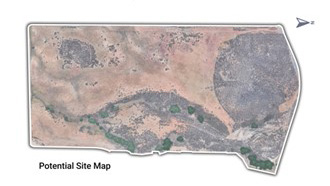
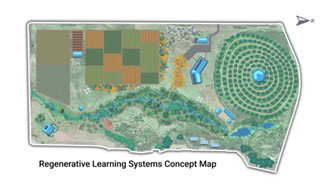
At Mt. San Jacinto College, learning doesn't stop at the classroom door.
We're creating living classrooms:
- Outdoor learning labs
- Demonstration farms
- Culinary “kitchen-as-lab” spaces
- Innovation incubators
- Community gathering places
Here, students learn by doing, collaborate across disciplines, and design regenerative solutions for real-world challenges. The campus itself becomes an ecosystem, and students become stewards of it.
Who Benefits from Regenerative Systems Learning
 This is education for:
- Farmers and food entrepreneurs
- Designers, builders, and innovators
- Community organizers and public leaders
- Artists, scientists, educators, and healers
- Anyone ready to grow knowledge that grows life
Whether you're starting your first degree, reskilling for a changing job market, or launching a purpose-driven business, regenerative systems education gives you the tools to lead with confidence and creativity.
Join Us
This vision is already taking root, and there's space for you in it.
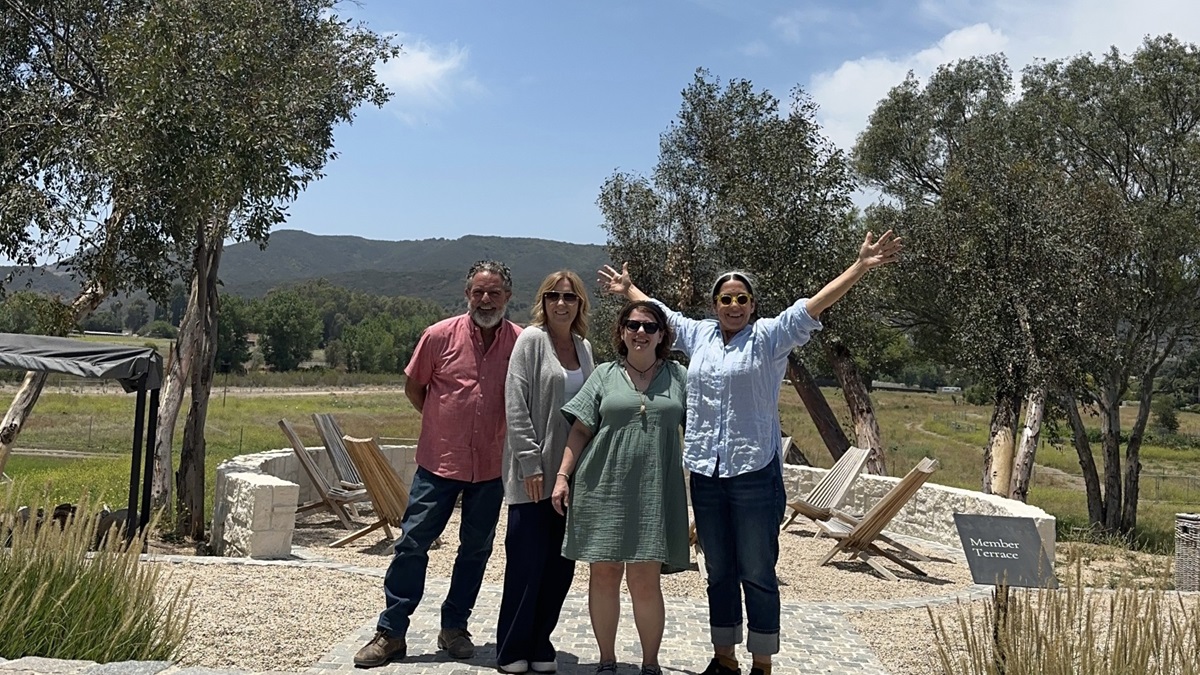
Whether you're a student, educator, community member, or industry partner, we invite you to co-create this future with us.