
SGA Election
Meet your 2026-2027 SGA Officers!
- President | Lamari Oliver
- Student Trustee | Aron Achiczy
- Inter-Club Council Senator | Menifee Valley Camus | Germal King
- Public Relations Senator | Menifee Valley Campus | Jasmine Duckett
- Academics Senator | Temecula Valley Campus |Seth Kearl
2026-2027 SGA Election Results
President
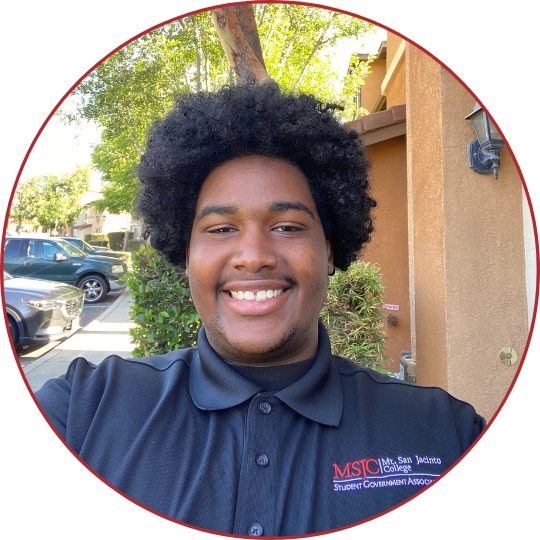
Lamari Oliver
Total Votes: 51
Write-In Candidates: 2
To support and serve the students by creating an environment where their voices are able to be heard is a huge goal of mine. I want to help MSJC and students to continue to develop being great. As president I'll ensure that student's voices are recognized and ensure that they can enjoy their academic pursuit.
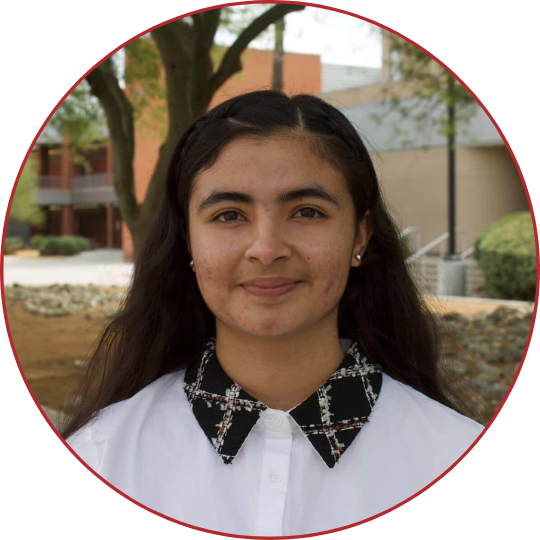
Lesly Marenco
Total Votes: 38
Write-In Candidates: 2
I aim to ensure every voice is heard at MSJC. With a unique perspective and proven leadership experience, I am confident in my ability to serve as President, represent student needs effectively, and help guide our community toward a stronger, more inclusive future.
Student Trustee
Aron Achiczy
Total Votes: 66
Write-In Candidates: 5
I want to be elected student trustee to represent students with honesty, resilience, and real-life experience. As a caregiver and first-generation college student, I understand responsibility and challenges. I will advocate for resources, accessibility, and student success. Students should vote for me because I lead with purpose and will always put them first.

Inter-Club Council Senator | Menifee Valley Camus
Germal King
Total Votes: 69
Write-In Candidates: 2
I want to be elected into student government because I see valuable and real opportunities to improve how clubs operate. I have ideas and solutions that I want to implement, not just for me but for the betterment of the Menifee campus. You should vote for me because I will strengthen student involvement and build a more supportive, connected campus community. If you vote for me as your Inter-Club Council Senator. I promise to listen to your voice and use my wisdom to implement the necessary changes needed to better the student experience.

Public Relations Senator | Menifee Valley Campus
Jasmine Duckett
Total Votes: 68
Write-In Candidates: 3
I am passionate about creating a community where people are free to be themselves unapologetically. Serving as a Senator of Public Relations, I feel as though I have an opportunity to build a strong community and encourage myself and other students to strive for amazing things.
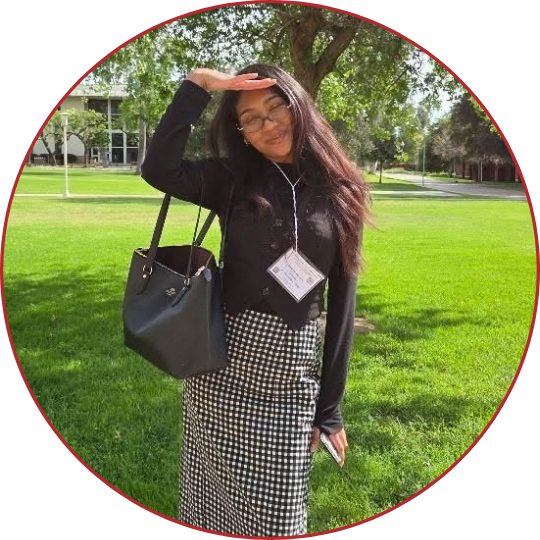
Academics Senator | Temecula Valley Campus
Seth Kearl
Total Votes: 61
Write-In Candidates: 3
I want to facilitate and create a safe and secure environment for learning and asking questions to professors. Being an academic senator allows me to create the social hubs and spaces for learning